The AI SOC built on a graph, not a guess
Qevlar investigates every alert end to end with a deterministic graph orchestrator, so your analysts spend their time on real threats, not triage.
Live in production at 1,500+ companies globally















An AI SOC that closes the loop, not just the ticket
3 min
average time to investigate alerts
Up to 80%
of tickets closed automatically
24/7
nonstop investigations
100%
happier SOC analysts
Alerts arrive faster than anyone can investigate them. Investigation does not scale.
Most security teams act like firefighters. They investigate alerts one by one, but their defenses never get stronger. Knowledge disappears when tickets close, analysts leave, and tools stay in silos. Alert volume keeps climbing. The capacity to investigate it does not.
The result is familiar: backlog, burnout, and real threats hidden behind low-severity noise. Learn more about alert fatigue.
What makes a SOC an AI SOC
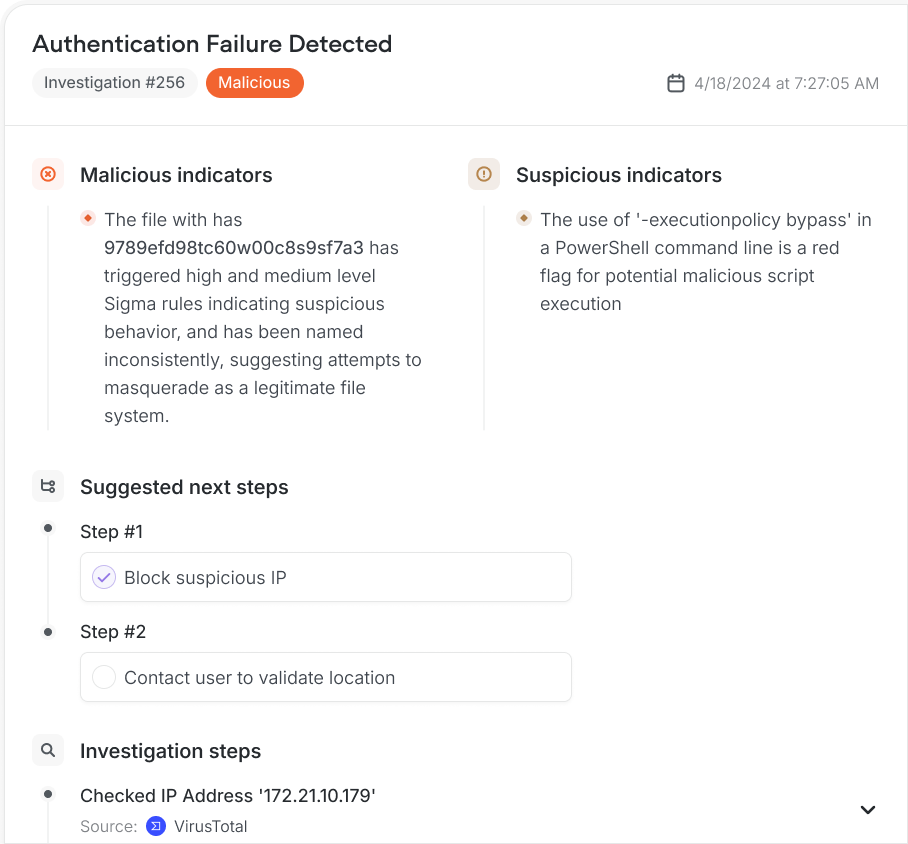
Rule-based detection flags activity. It does not investigate it. An AI SOC does both. The moment an alert is triggered from your SIEM or EDR, Qevlar autonomously pulls, enriches, and analyzes data from internal and external sources, then reaches a clear verdict: malicious, not harmful, or inconclusive. That is the shift behind our approach to an AI SOC for self-improving defense: every alert is fully worked, not just surfaced.
All
Not every AI SOC can be trusted
Most AI SOC tools stop at triage, alert by alert. Many also let a large language model run the investigation itself. When an LLM drives the reasoning, you inherit its weaknesses: hallucinations and inconsistent results. That is a hard problem for production security, where the same alert needs the same rigor every single time. An AI SOC is only as trustworthy as the engine making the decisions.
All



How Qevlar works: a graph orchestrator, not a guess
Qevlar does not let an LLM run the investigation. The core is a graph orchestrator: deterministic reasoning that follows the same path every time. LLM agents handle only bounded tasks like enrichment and reporting, never the verdict. Every verdict is fully transparent, every investigation makes the next one sharper, and Qevlar never trains on your data. AI you can rely on: explainable, adaptable, and privacy-preserving.
"We can now detect threats more quickly and accurately, while focusing our analysts' expertise on the most complex and critical incidents."
Frederic Zink, Managing Director France, Orange Cyberdefense
Trusted in production at 1,500+ organizations
Proven in real SOC environments. Recognized by the cybersecurity industry.
Independent awards and real-world deployments reflect the impact of Qevlar AI on modern SOC operations.



From alert to verdict in three steps
Step #1
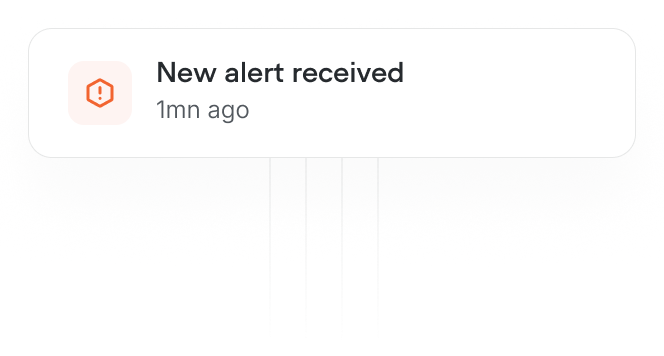
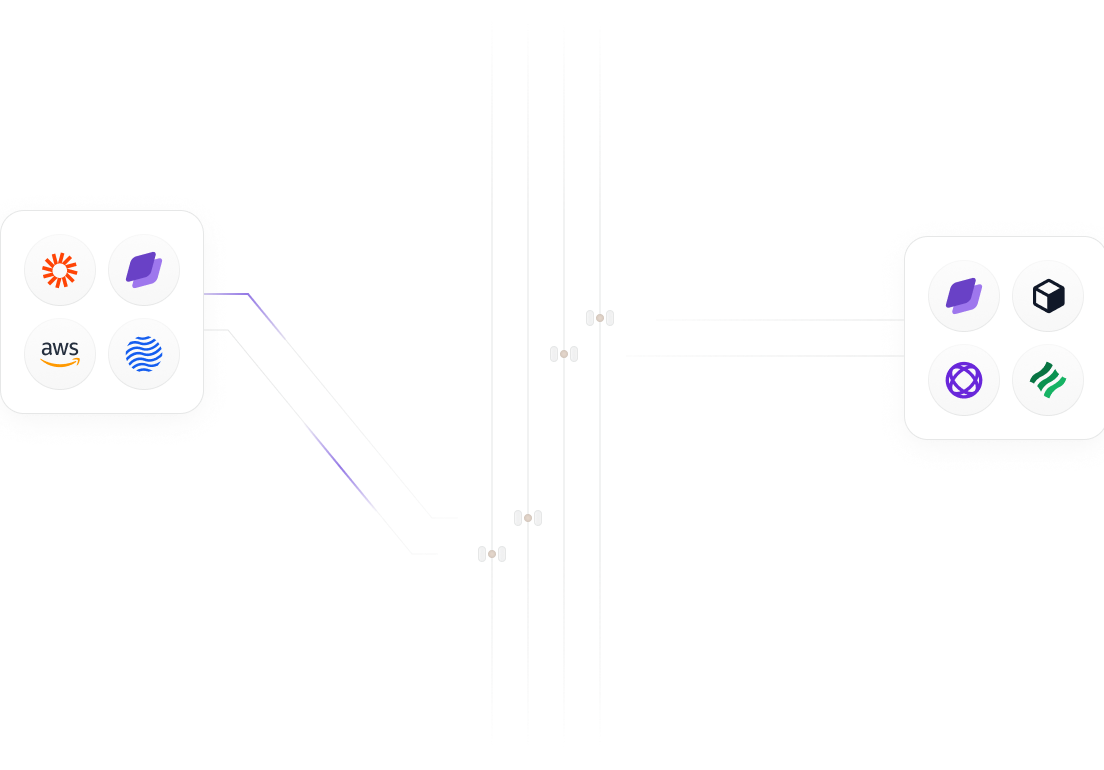
Investigate. As soon as an alert is triggered from your SIEM or EDR, Qevlar autonomously pulls, enriches, and analyzes data from internal and external sources.
Step #2
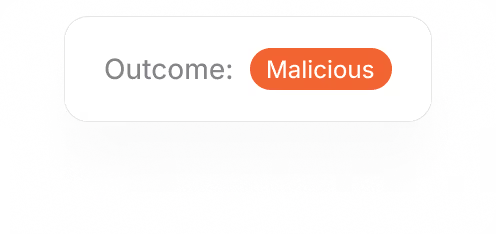
Conclude. Qevlar determines whether the alert is malicious or not, generates a comprehensive report, and suggests remediation.

Step #3
Decide. Your analysts review alerts deemed malicious, validate the outcome, and take the suggested next steps.

AI SOC vs traditional SOC vs SOAR
SOAR executes static playbooks. Qevlar runs as an autonomous SOC that does the investigative thinking on its own. SOAR stays complementary, not replaced. More on what a SOAR is.
Capability | Traditional SOC | SOAR | Qevlar AI SOC |
|---|---|---|---|
Investigates every alert end to end |  Manual |  No |  Yes |
Playbooks to build and maintain | N/A | Required | Zero |
Adapts and reasons on its own | No | No | Yes |
Frequently asked questions
What is an AI SOC?

An AI SOC investigates alerts end to end, not just flags them. It enriches data the moment an alert fires, reaches a verdict, and suggests remediation.
How does Qevlar avoid LLM hallucinations?
The core is a deterministic graph orchestrator. LLM agents handle only bounded tasks, never the verdict.
Does an AI SOC replace human analysts?
No. Qevlar expands human capacity and analysts keep control of every verdict.
Is an AI SOC reliable enough for production?
It runs in production at 1,500+ organizations and is SOC 2 Type 2 certified.
Want to make the attackers life a bit harder?