

Choosing Your AI SOC Path: Build vs Buy
Building your own AI SOC is possible. Scaling it is another challenge.
Security teams are building their own AI SOC capabilities, and many are already seeing real results.
But getting from a working use case to full SOC coverage introduces new challenges:
- Moving from validation into production
- Automating the hardest remaining alerts
- Reducing dependency on a few key engineers
- Managing ongoing maintenance and costs
- Scaling across use cases, tools, and customer environments
Based on conversations with dozens of MSSPs and enterprise SOC teams in 2026, this guide explores what in-house builds already do well, where they tend to stall, and what it takes to scale AI investigations.
Understand the trade-offs between building and buying, and find the right path for your SOC.
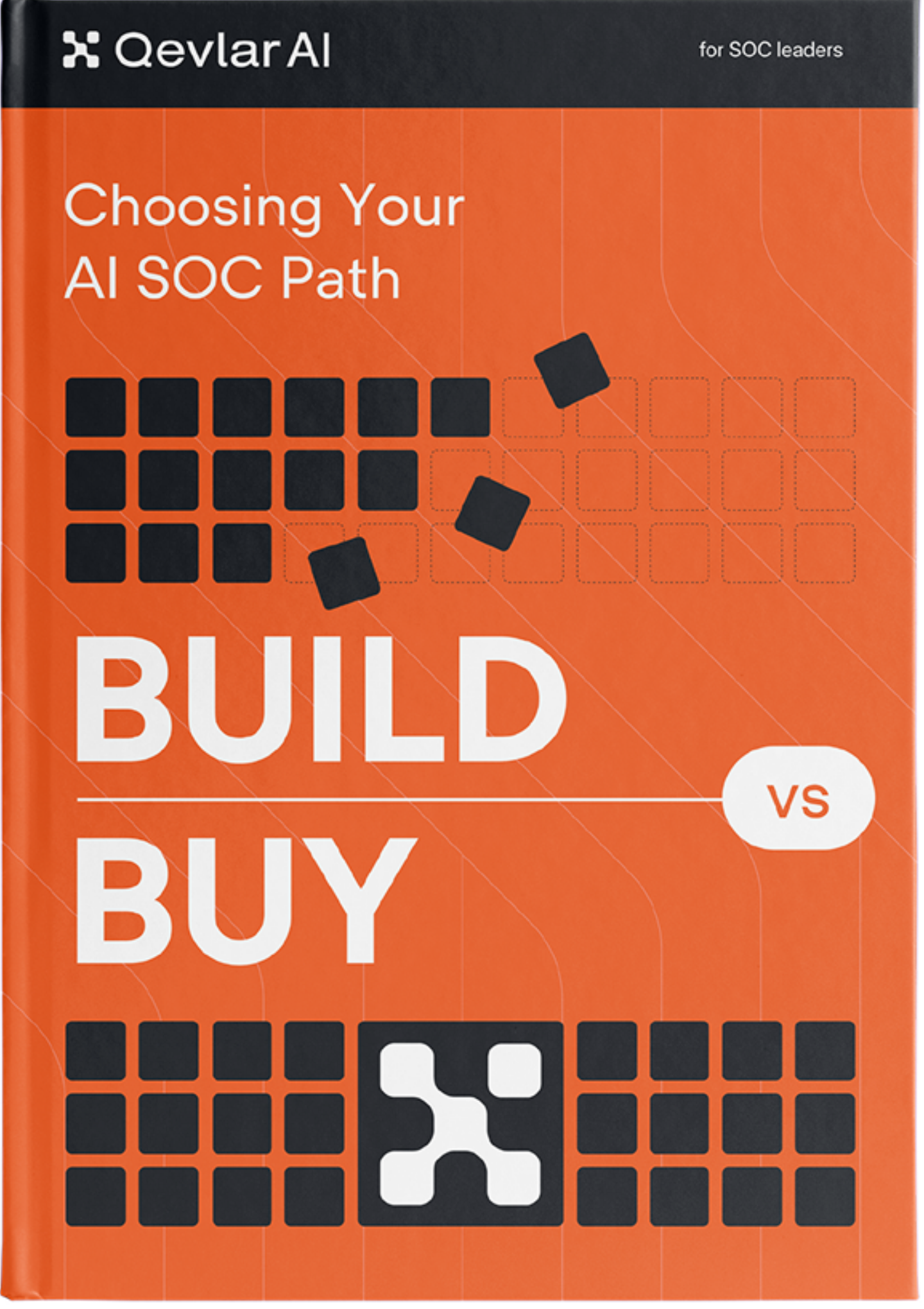



What you’ll walkaway with:

A clear view of what in-house AI SOCs can achieve
Discover how security teams are already reducing investigation times, automating repetitive alerts, and increasing capacity without adding analysts.

The 5 challenges that make scaling difficult
Understand where in-house builds stall, from production consistency and complex alerts to engineering dependencies, maintenance, and coverage.

A practical Build vs Buy comparison
Compare what it takes to develop and maintain AI investigations in-house with the capabilities of a dedicated AI SOC platform.

Real-world examples from SOC teams and MSSPs
See how organizations such as Vancord, Almond, and Nomios approached AI SOC automation, with concrete results from production environments.

A clear framework for choosing the right AI SOC path
Explore how to balance control, intellectual property, operational complexity, and scalability when deciding what to build and what to buy.
The real challenge starts after the first successful use case
Building an AI SOC can deliver impressive early results. But production reliability, complex investigations, maintenance, and scaling introduce challenges that are easy to underestimate.
This guide helps you understand those trade-offs and evaluate whether building, buying, or combining both approaches makes the most sense for your SOC.
Want to make the attackers life a bit harder?

Three Ways to Prove AI ROI for MSSPs
The 3 ROI drivers that leadership teams care about when evaluating AI investments, with examples from European and US-based SOCs.

The SOC Survival Guide for the Frontier Model Era
This guide helps you identify the risks earlier and understand what it takes to close them.
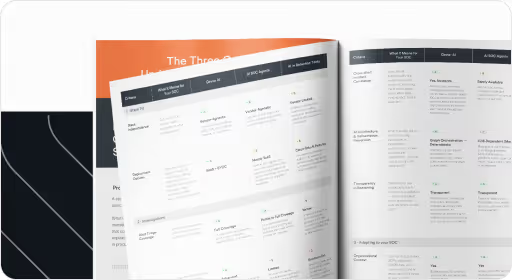
AI SOC Solutions Compared: A Buyer's Guide for 2026
There are 3 ways to put AI to work in your SOC in 2026. We put them side by side against 18 criteria, so you can identify which fits yours best and save weeks of research.