
Running an MSSP SOC means dealing with more than alert volume. Vancord has to its customers across different EDRs, SIEMs, cloud security tools, environments, and business contexts — all while working through skills gaps, budget constraints, and tool sprawl.
In this webinar, Matthew Fusaro, Director of Security Services, shares how Vancord is moving toward a self-healing SOC with Qevlar: automating investigation work, capturing customer context, exposing gaps in security data, measuring trust in AI decisions, and gradually introducing autonomous response.
The result is a SOC where analysts spend less time finding the data they need and more time making the decisions that matter.
What you will learn


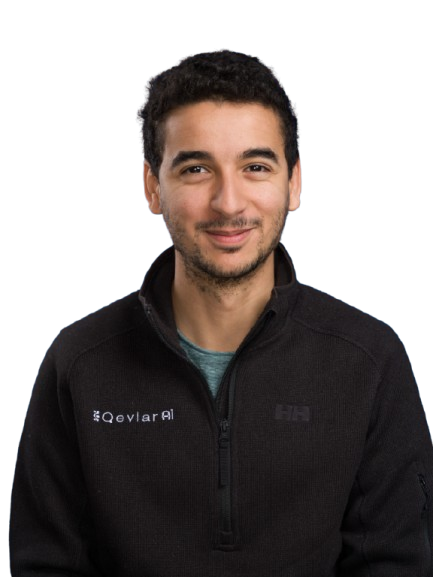
Hosted by a builder of autonomous AI SOC analysts





You walk awayable to

Move analysts from gathering data to acting on it

Use every investigation to find weaknesses in your SOC

Introduce autonomous response without giving up control

Turn your SOC into a system that gets smarter over time
Get the full webinar, free
Want to make the attackers life a bit harder?
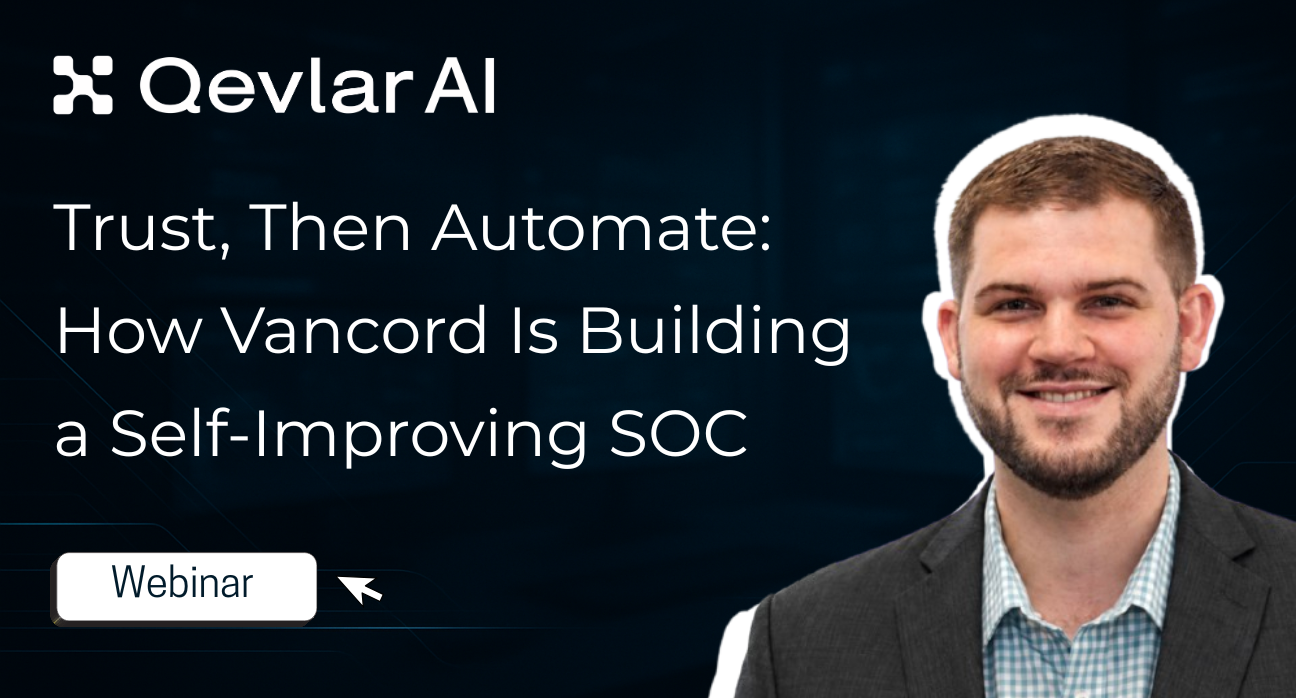
Trust, Then Automate: How Vancord Is Building a Self-Improving SOC
See how Vancord is using Qevlar to cut investigation time from 30+ minutes to 5–10, capture customer context, expose data gaps, build trust in AI decisions, and gradually automate SOC response.

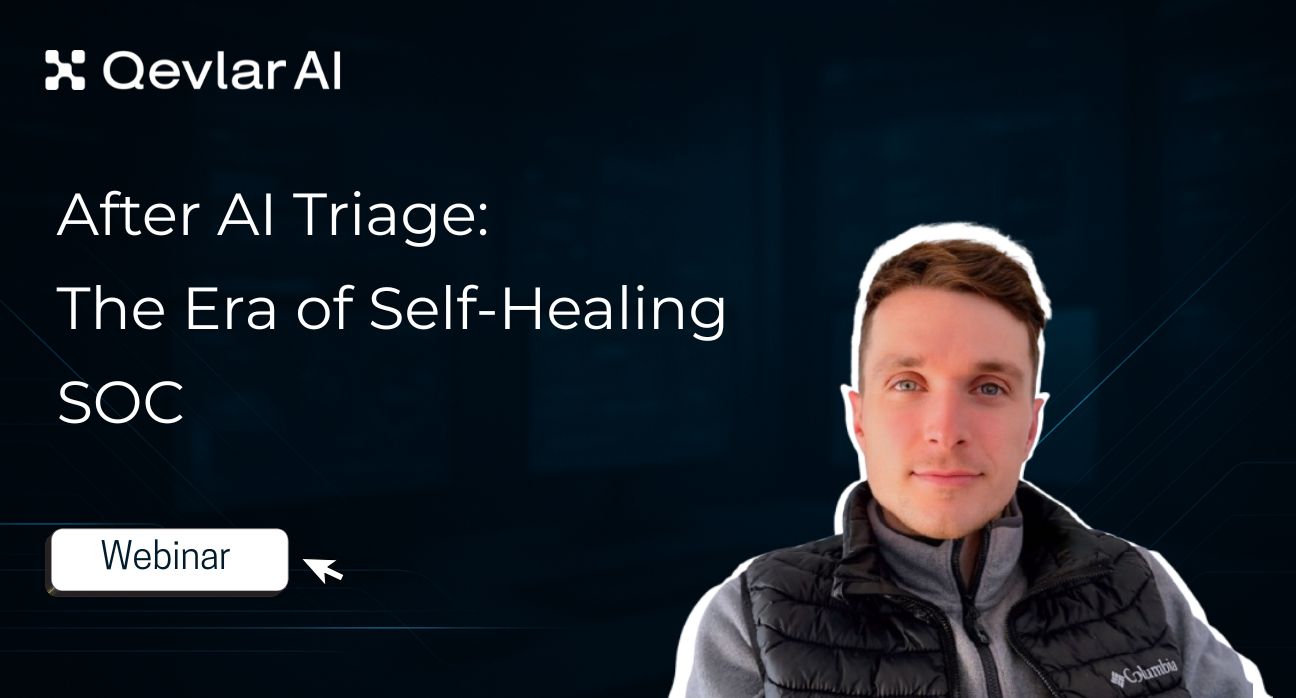
After AI Triage: The Era of Self-Healing SOC
Speed alone is a treadmill. Learn the four loops that turn one-off investigations into a SOC that compounds: sharper context, tighter detections, faster response, less exposure. Hosted by Fraser Whitfield, Head of Product at Qevlar AI.
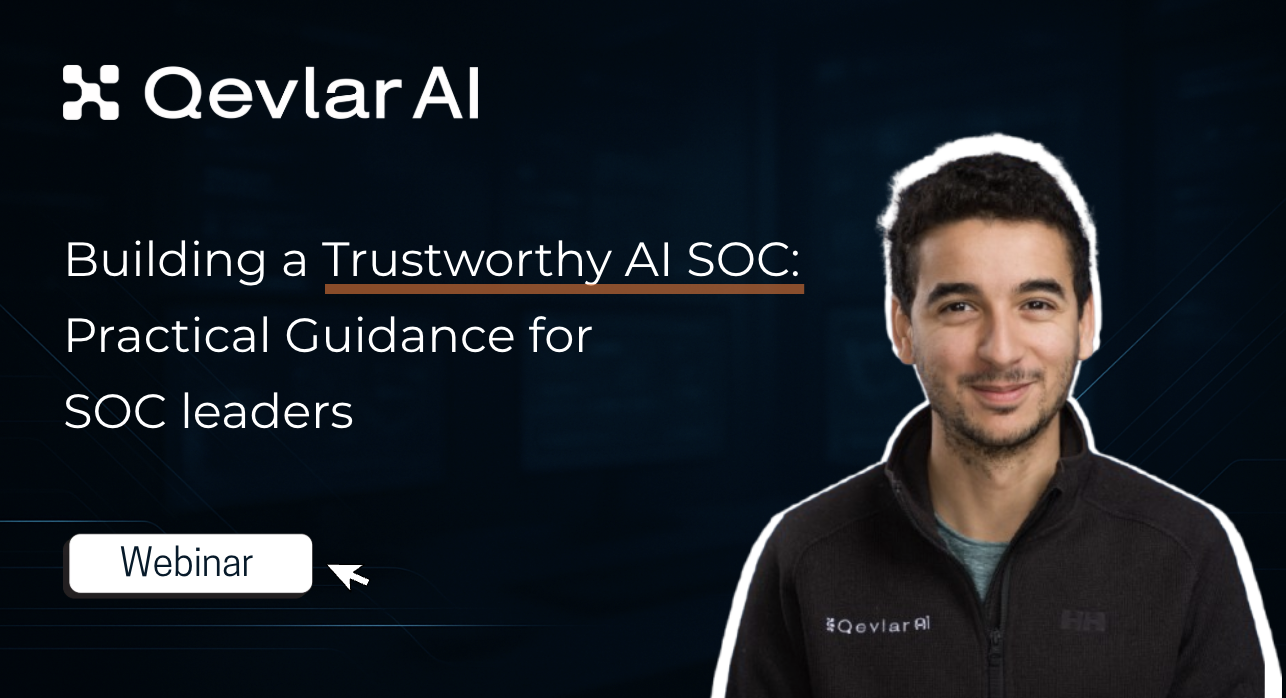
Building a Trustworthy AI SOC
The most advanced SOC leaders know the real gold lies in hybrid architectures that combine the analytical power of LLMs with deterministic orchestration. This approach transforms LLMs from unpredictable copilots into reliable, production-grade SOC analysts.